
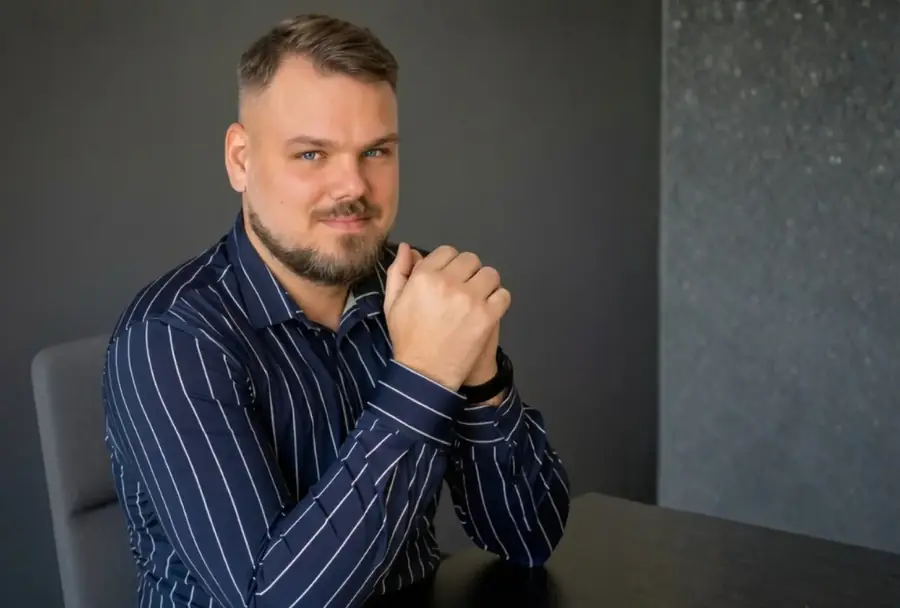
Head of Shipbuilding Lukas: “If you want recognition, prove it through your work”
Lukas, Head of the Shipbuilding Department at Marino Group, on his path from Palanga to international projects, leading teams and what makes a project succeed.
Key takeaways
- Lukas grew up in Palanga, studied ship engineering at Klaipėda University and worked part-time at a shipyard from his third year.
- His formula for project success: a well-prepared start, detailed project information and the right team.
- He values results over status, and leads by guiding and setting an example.
- A memorable project: repairing a 40-metre portal crane at one of the world’s largest shipyards, where about 10,000 people work.
Shipbuilding is more than metal, drawings and massive structures. It is about decisions, people and responsibility, sometimes weighing as heavily as the ship itself. Lukas, Head of the Shipbuilding Department at Marino Group, is one of those leaders whose professional path naturally blends with the sea, technology and managing international teams.
The beginning: engineering over comfort
Lukas’ choice wasn’t accidental. After finishing high school, he considered either economics, a popular choice among his peers at the time, or engineering. Strong logical thinking and a lifelong connection to the sea ultimately led him to engineering.
“Growing up in Palanga, the sea was part of everyday life. With my father’s blessing, I decided to enroll in Ship Engineering at Klaipėda University.”
During his third year, Lukas started working part-time at a shipyard in Klaipėda. Practical experience alongside studies turned theory into real-world processes, and decisions carried real responsibility. He later completed both his bachelor’s and master’s degrees, cementing his foundation in naval engineering.
Early challenges and the formula for project success
Lukas’ first encounters with international shipbuilding projects left a lasting impression, not only because of the scale of the ships, but also because of the environment he worked in.
“The first time I saw a ship being built, it looked like a skyscraper made of metal. At that moment, I thought: how does it not topple over?”
Alongside technical challenges, cultural ones emerged as well. Many colleagues spoke Russian, so Lukas had to learn not only shipbuilding principles but also the language. This experience became a key lesson: project success depends not only on technology but also on communication.
These early experiences later helped Lukas develop a clear formula for project success: a well-prepared start, detailed project information and the right team.
Structure, team synergy and the human factor
Today, as head of the Shipbuilding Department, Lukas emphasises not just structure or processes, but also the human factor. Without motivated people, no structure can succeed.
“If a person is stuck in their comfort zone and doesn’t want to improve, you won’t achieve big results.”
For Lukas, leadership isn’t about giving orders from above. It is about guiding, showing the way and leading by example. Leadership style evolves with experience: mistakes become lessons, and decisions grow more deliberate.
When managing teams across countries, building relationships is essential. Even a brief, personal conversation about how someone is doing can strengthen trust and help retain specialists.
Valued competencies: results above status
Shipbuilding is a highly specialised field where it quickly becomes evident who can get the job done and who only talks. Lukas values specialists who prioritise results over showing authority.
“I value people who do their work and get familiar with the environment, without trying to assert power. Results come first, recognition comes after.”
This approach also guides how teams are formed: competence, responsibility and adaptability to the project’s requirements are the key criteria.
Memorable projects and the value of trust
When asked about his most memorable project, Lukas admits that it is hard to pick just one. Yet one incident stands out.
In one of the world’s largest shipyards, a critical portal crane, which serviced the entire facility, suddenly bent. The incident threatened to halt the work of 10,000 employees.
“We stopped all operations, repaired the 40-metre-high structure, and essentially saved the shipyard.”
The situation was not just a technical challenge but a demonstration of trust: the client clearly showed that the MARINO team and its leaders are reliable in critical moments.
Where project success begins at MARINO
For Lukas, success begins long before the first weld.
“The more detailed the information about the project, the client and the work specifics, the easier it is to select the right specialists.”
A well-prepared start prevents mistakes, and a carefully chosen team is half the project’s success. The rest depends on how specialists perform on site and represent MARINO. See how this works in practice in shipbuilding and ship repair.
Why choose MARINO?
When asked why specialists should choose MARINO, and him as a leader, Lukas answers simply: here, people are noticed.
The offer is stability, timely salaries, keeping promises and real professional growth opportunities. MARINO offers work not only in Lithuania but also on international projects, including Martinique.
Advice for beginners
At the end of the conversation, Lukas sends a clear message to young engineers and project managers:
“Never try to prove your status. If you want recognition, prove it through your work.”
It is a piece of advice that reflects his own professional journey at MARINO, from first steps in the shipyard to managing international projects.
Keep reading
From Hull Fitter to Team Leader at a Major French Shipyard: Tomas’ Story
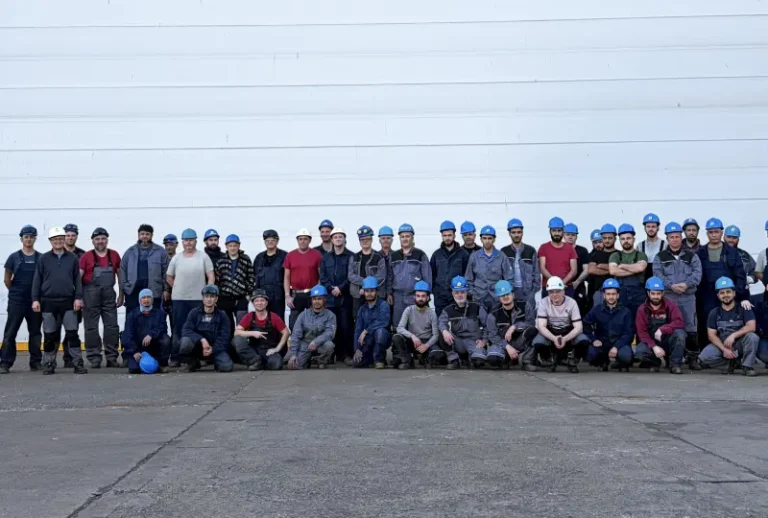
Tomas began as a hull fitter in Klaipėda and today leads the Marino Group team at one of France’s largest shipyards.
Read the story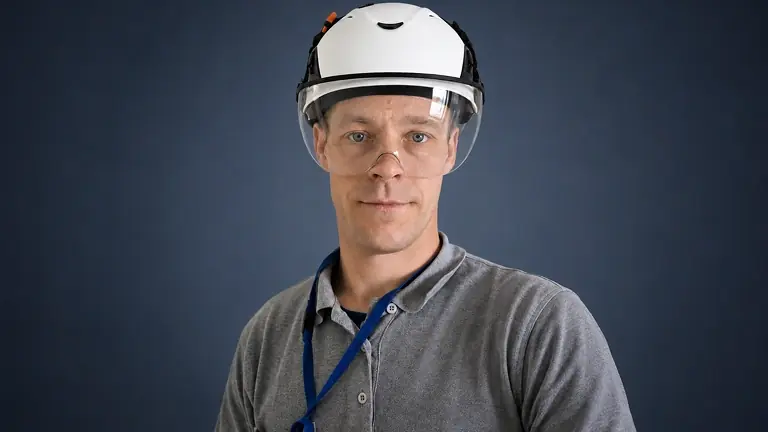
Foreman Dainius: “Marino Projects has become my second home”
Dainius joined as a general labourer in 2018 and is now a Foreman. On real-time decisions, working as one team and growing with a company.
Read the story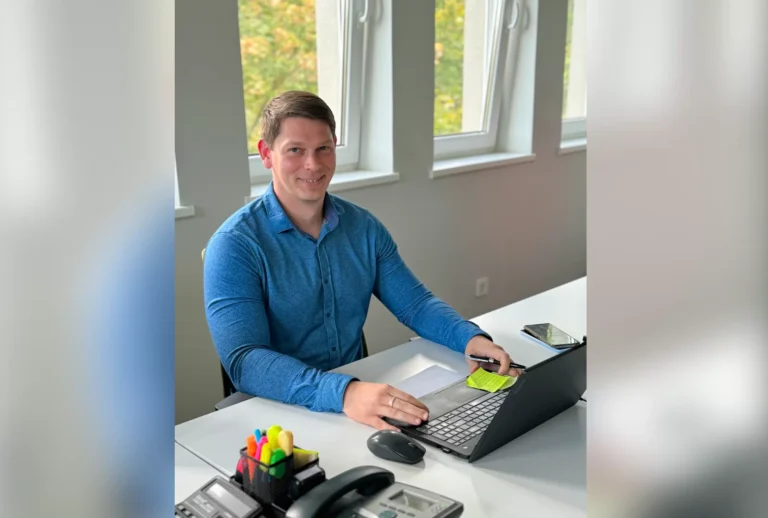
Project Manager Andrej: “The biggest challenge at the moment is the lack of specialists”
Andrej shares his journey from Foreman to Project Manager, offering advice and insights on leadership.
Read the storyWork with the MARINO team
Need skilled specialists for a marine, industrial or offshore project? Or thinking about joining us? Get in touch.